
Rules, lending policies and government programmes can change. This article is not legal, planning, financial, credit, tax or registration advice. Obtain advice for your property and circumstances.
Why the distinction matters
Lenders assess the security behind a loan. A fixed modular home installed on approved footings and connected to services can become part of the real property. A tiny home on wheels generally remains a separate moveable asset or chattel.
Fixed modular or secondary dwelling
An approved fixed dwelling may be funded through available home equity, a refinance, a renovation facility or construction finance. The lender will normally require plans, approvals, a fixed-price contract, licensed-builder information, insurance, engineering and an on-completion valuation.
Tiny home on wheels
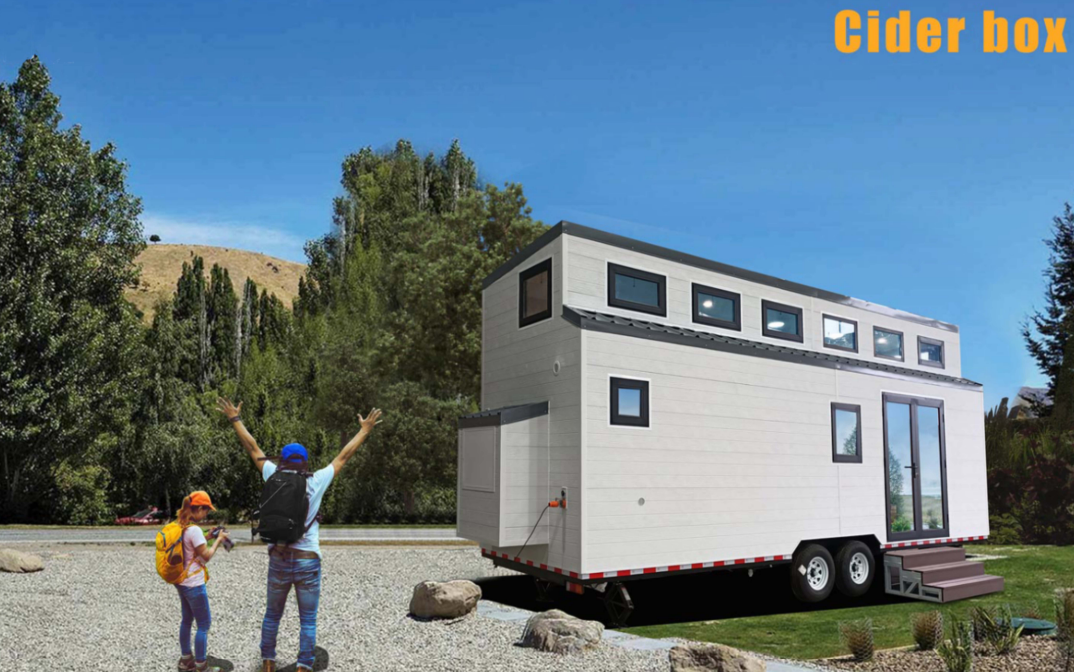
A trailer home generally cannot secure a standard residential mortgage in the same way as a building fixed to land. Buyers may use cash, an unsecured personal loan, a suitable caravan or chattel facility, or an equity release against property they already own. Availability depends on the lender and the trailer documentation.
Documents still matter
Even where the finance is not a home loan, buyers should retain the VIN, applicable vehicle approval or RAV information, mass documentation, engineering, invoices, warranty documents and declared-use information. Insurers and registration authorities may request these records.
Do not compare interest rate alone
Compare establishment fees, loan term, early-repayment conditions, security, insurance requirements and the total amount repaid. A shorter unsecured loan can have much higher repayments even when the purchase price is lower.
A useful first question
Ask: will this home remain on its wheels, or will it become an approved building on the land? That answer will shape the likely approval, valuation, insurance and finance pathway.